Last updated: March 22, 2026
Over 52,000 flights have been cancelled across the Middle East since the crisis began on February 28, 2026. If you are an expat in Abu Dhabi trying to get home — or trying to get back — the situation changes daily and every airline is handling it differently.
This guide breaks down the current status, rebooking policies, and refund options for each major airline serving the UAE. We will keep it updated as the situation evolves.
What Happened to UAE Airspace
Following the escalation of the US-Israel-Iran conflict on February 28, 2026, airspace across the Gulf was closed as a precautionary measure by the UAE General Civil Aviation Authority. Multiple countries — including Iran, Iraq, Israel, Jordan, Qatar, Bahrain, Kuwait, and the UAE — imposed full or partial airspace closures.
While UAE airspace has partially reopened since early March, airlines are still operating at significantly reduced capacity. Flight paths that previously crossed Iranian and Iraqi airspace are being rerouted, adding hours to journey times and limiting how many flights can operate each day.
The European Union Aviation Safety Agency (EASA) has issued a Conflict Zone Information Bulletin that currently runs through March 27, 2026, which affects how European carriers operate in the region.
Emirates
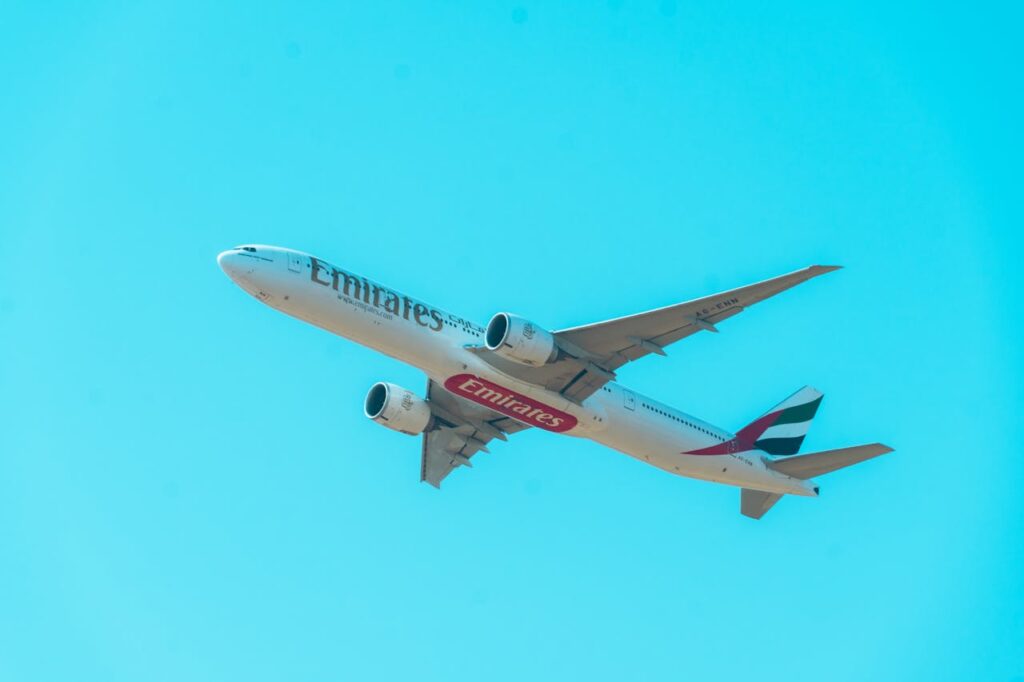
Status: Operating a reduced schedule from Dubai. Emirates is currently serving around 110 destinations and rebuilding toward its full 140-destination network. Cancellation rates hit approximately 40 percent of scheduled services at the peak of the disruptions in early March.
Rebooking policy: Passengers with bookings for travel between February 28 and April 15, 2026 can rebook free of charge to the same destination for travel on or before April 30. You are allowed up to nine changes to your itinerary at no extra cost. Rebooking can be done through emirates.com or by contacting their call centre.
Refunds: If your flight was cancelled by Emirates, you are entitled to a full refund to your original payment method. Requests can be submitted through the Emirates website under Manage Booking. Processing times are currently longer than usual due to the volume of claims.
Check your flight: Emirates Flight Status
Etihad Airways
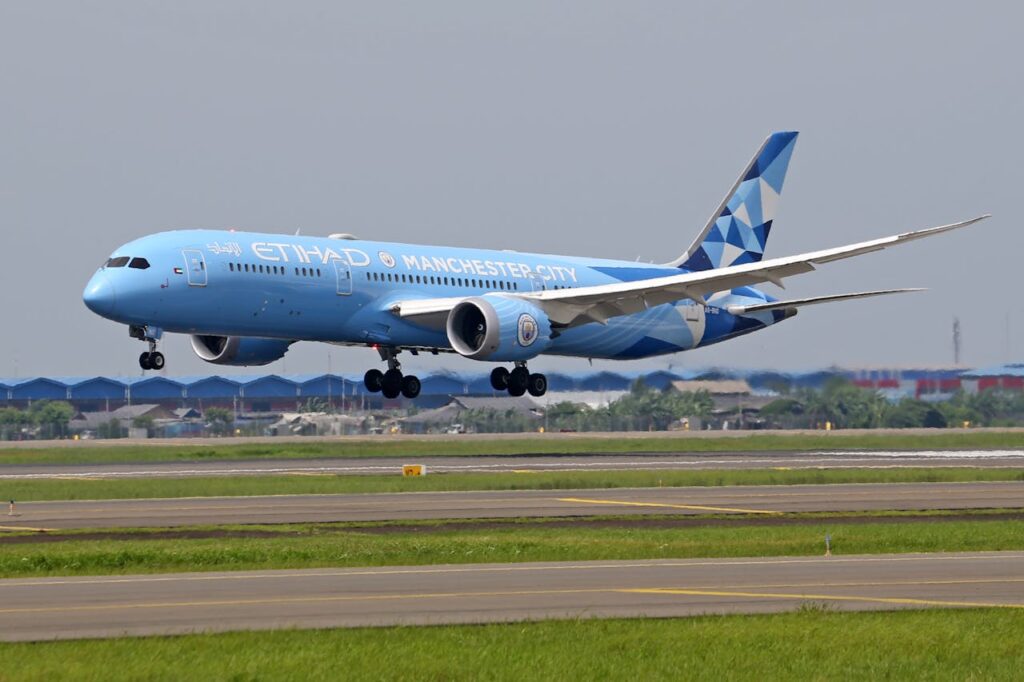
Status: Etihad resumed limited commercial flights from Abu Dhabi on March 6, 2026, and has been gradually increasing services since. Operations remain subject to daily airspace approvals and the schedule can change at short notice.
Rebooking policy: Passengers holding tickets issued on or before February 28, 2026 with original travel dates between February 28 and April 15 can rebook free of charge onto Etihad-operated flights for travel up to May 15, 2026. Rebooking to dates after May 15 may incur a fare difference.
Refunds: Eligible passengers can request a refund of the unused portion of their ticket through etihad.com/manage. Etihad has confirmed that refunds are being processed to the original form of payment, though timelines are extended.
Check your flight: Etihad Flight Status
Qatar Airways
Status: Qatar Airways is operating a revised limited schedule through March 28, 2026, focused on maintaining connections to key cities across Africa, Europe, Asia, the Americas, and Asia Pacific. Qatari airspace was fully closed in early March and the airline has been running priority “operating corridors” to repatriate stranded travellers.
Rebooking policy: Passengers are eligible for two free date changes to a new travel date up to May 31, 2026, provided the rebooking is onto a Qatar Airways-operated flight. Changes can be made through qatarairways.com or via their contact centre.
Refunds: If your flight has been cancelled, Qatar Airways is offering a refund of the unused value of your ticket. The airline has extended flexible rebooking and refund policies for flights booked through April 30, 2026.
Full restart date: Qatar Airways has indicated March 28 as the target date for resuming a fuller flight schedule, which aligns with the EASA Conflict Zone bulletin expiry on March 27.
Check your flight: Qatar Airways Flight Status
flydubai
Status: flydubai suspended all operations for nearly three days in early March after Dubai International Airport was temporarily shut down. Since March 5, the airline has been rebuilding — running around 196 flights per day in the first week of resumption, compared to a pre-crisis average of 350. Services remain reduced and subject to disruption.
Rebooking policy: Passengers booked to travel between February 28 and March 31 can rebook to an alternative flight to the same destination up to 30 days from their original travel date, free of charge. Those travelling within the next 72 hours can rebook up to 20 days out at no cost.
Refunds: Cancellation results in a flydubai travel voucher depending on your fare type. Cash refunds are generally not offered unless the flight was cancelled by flydubai itself. If your flight was airline-cancelled, contact flydubai directly to request a cash refund rather than accepting a voucher.
Check your flight: flydubai Flight Status
Other Airlines Affected
It is not just Gulf carriers that are disrupted. Many international airlines have suspended or reduced services to the UAE:
Air Canada has cancelled all flights to the Middle East through at least May 2026. Lufthansa Group (including Swiss and Austrian) has suspended UAE flights with periodic reviews. British Airways is operating a reduced schedule to Abu Dhabi and Dubai. IndiGo has updated its UAE route network with cancellations and schedule changes. Air Arabia is operating reduced services from Sharjah with travel advisories in effect.
If you are booked with any airline flying to or through the Middle East, check your flight status before heading to the airport. Do not assume your flight is operating as scheduled.
Know Your Rights: Refunds, Compensation, and What You Are Owed
The rules around what you are owed depend on where your flight departs from, which airline you are flying, and why it was cancelled.
EU/UK Departures (EU261 and UK261 Rules)
If your cancelled flight was departing from an EU or UK airport, or was operated by an EU/UK-based airline, you have strong protections. The airline must offer you either a full refund or rebooking onto an alternative flight. They must also provide meals, accommodation, and transport while you wait.
The financial compensation element (up to €600 per passenger) is more complicated in this situation. Armed conflict and airspace closures are generally considered “extraordinary circumstances,” which exempts airlines from paying the flat-rate compensation. However, the airline still owes you everything else — the refund or rebooking, plus care and assistance while stranded.
UAE Departures
Flights departing from the UAE are not covered by EU261 unless you are flying on an EU carrier. Your rights depend on the airline’s own policies, which are outlined above for each carrier. In practice, all the major Gulf airlines have introduced generous rebooking waivers — the challenge is getting through to customer service to use them.
Filing a Claim
Whether or not you think you qualify for compensation, it is worth filing a claim. Airlines are required to formally respond and justify any denial. Keep all documentation: boarding passes, booking confirmations, cancellation emails, receipts for meals and hotels, and screenshots of flight status pages showing the cancellation.
If dealing with the airline directly feels overwhelming — especially across multiple cancelled legs and rebookings — services like Compensair handle the claims process on your behalf on a no-win, no-fee basis. You upload your flight details, they assess your eligibility, and they pursue the claim with the airline. It can be particularly useful if you had connecting flights through Europe, where EU261 rules may apply to segments you had not considered.
Practical Tips for Getting on a Flight
Do not go to the airport without a confirmed booking. Airports in Abu Dhabi and Dubai are crowded with stranded passengers and operating under stress. Showing up hoping for a standby seat will likely result in a wasted trip and hours of queuing.
Be flexible on routing. Direct flights are scarce. Consider connecting through airports that are less affected — Muscat (Oman Air), Bahrain (Gulf Air), and some East African hubs have had more consistent operations. Use a flight search tool like Kiwi.com to find creative routing options that may not show up on airline websites.
Book directly with the airline. If you need to rebook, do it through the airline’s own website or app rather than through a third-party travel agent. This gives you a direct relationship with the operating carrier, which matters when things go wrong and you need assistance at the airport.
Set flight alerts. Airlines are adding flights back to their schedules as airspace reopens. Set price and availability alerts so you are notified the moment a seat opens up on your preferred route.
Consider overland options. If you need to leave the UAE urgently, the land border crossing from Al Ain to Oman remains open. From Muscat, flight availability has been better than from UAE airports. The drive takes approximately two hours.
What to Expect Next
The situation is evolving daily. The EASA Conflict Zone bulletin expires on March 27, and Qatar Airways has targeted March 28 for a fuller restart. If the security situation holds, we should see a significant increase in flight capacity across the Gulf by the end of March.
However, a return to pre-crisis schedules will take weeks, not days. Airlines need to reposition aircraft, reassign crew, and rebuild schedules. Even once airspace fully reopens, expect reduced frequencies, higher fares, and continued disruption through April.
We will continue updating this guide as policies change. Bookmark this page and check back before making any travel decisions.
For real-time emergency resources, embassy contacts, and live flight status links, visit our Crisis Hub.